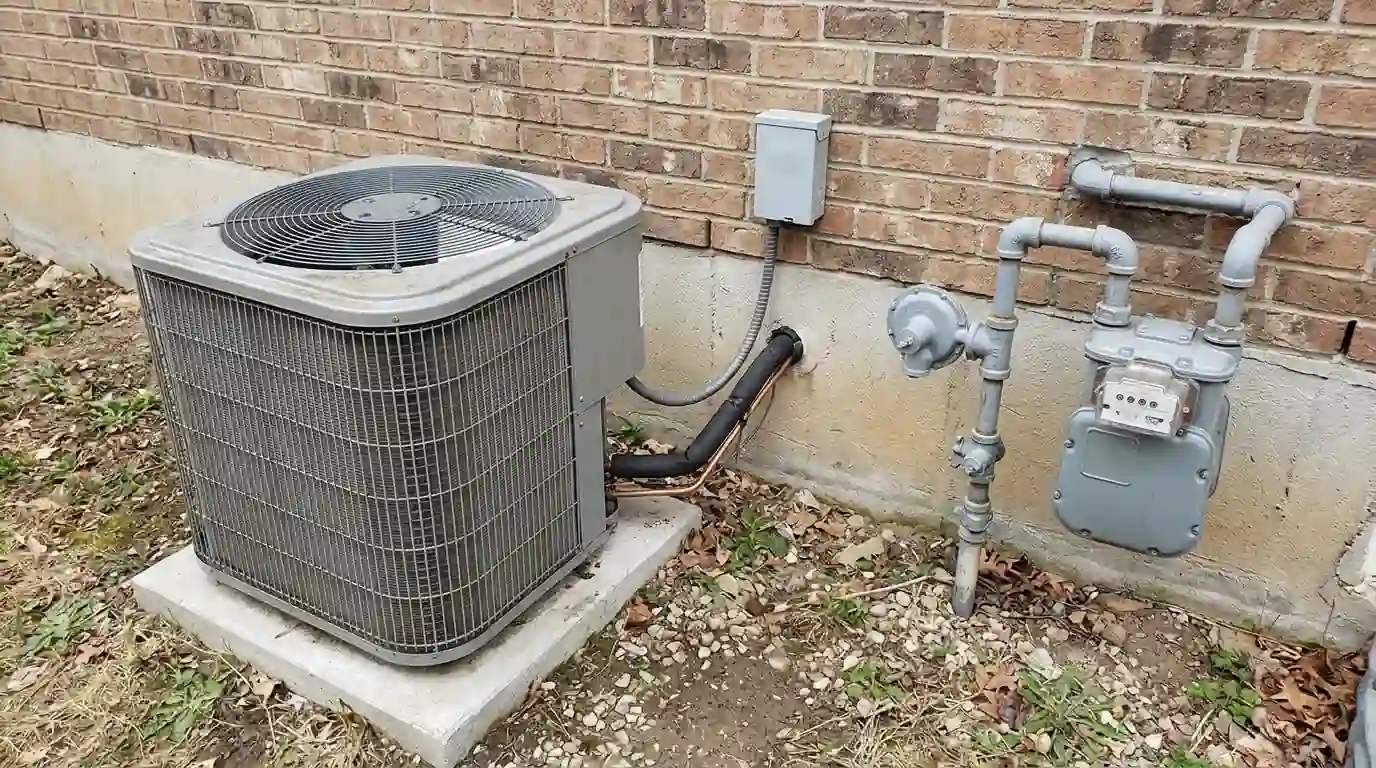
When a heating system reaches the end of its life, the question we hear most around Nashville is whether to stay with gas or switch to a heat pump. Both work well here. The right answer depends on what the house already has, your utility rates and how you feel about warm air on a cold morning.
How each one heats
A gas furnace burns natural gas and blows air that often comes out of the registers at 110 to 130 degrees. A heat pump moves heat from the outdoor air into the house, and its supply air is milder, usually 90 to 105 degrees. Both keep the house at the same thermostat setting; they just feel different at the vent.
Operating cost in a mild climate
Middle Tennessee winters are mild most days, which suits heat pumps. Above freezing, a modern heat pump usually costs less to run than a gas furnace at typical Piedmont and NES rates. On the handful of nights in the teens, a heat pump leans on electric backup strips, and that is when its advantage shrinks or reverses.
- Mild days in the 40s and 50s: heat pump usually cheaper
- Nights near freezing: close, depends on rates and equipment
- Cold snaps in the teens: gas furnace usually cheaper than strip heat
Comfort
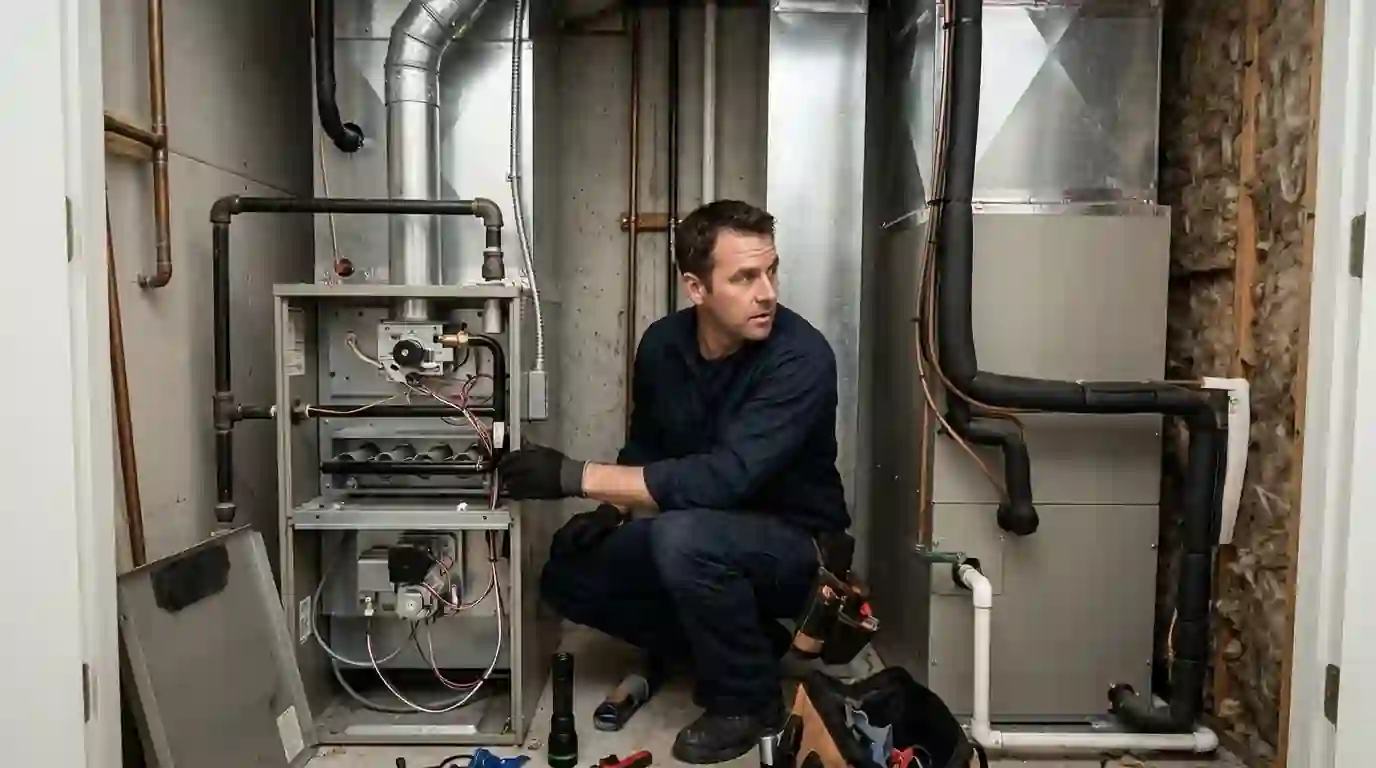
People who grew up with gas heat often notice the cooler supply air from a heat pump. Variable speed heat pumps help a lot because they run longer at low speed and keep temperatures steady. A gas furnace recovers faster after a deep setback.
Equipment life and upkeep
Gas furnaces often last 18 to 22 years because they only work in winter. Heat pumps work in both seasons and usually last 12 to 16 years. Furnaces need yearly combustion and safety checks; heat pumps need defrost and backup heat testing.
When dual fuel wins
If you already have gas service, a dual fuel system pairs a heat pump with a gas furnace. The heat pump handles mild weather and the furnace takes over below a set outdoor temperature. In many Brentwood, Franklin and Hendersonville homes, that combination has the lowest operating cost and the best cold weather comfort.
No gas at the house
Many Middle Tennessee homes are all-electric. For them, a properly sized heat pump with sensible aux heat lockouts is the standard answer, and cold climate models now hold strong output well into the teens.
Questions about this topic
Is a heat pump enough heat for a Nashville winter?
Yes for most homes, as long as it is sized for the house and has backup heat for the coldest nights. Cold climate models hold strong output into the teens.
Is it expensive to add gas to an all-electric house just for a furnace?
Running a new gas line can add significant cost. For most all-electric homes, a heat pump with good backup heat settings is the better value.
About the author
Beulah Tankersley edits the Air Essentials Comfort Guide. She turns what our technicians see on Nashville service calls into plain advice homeowners can use before and after they call. More about our editor.